Our Programs
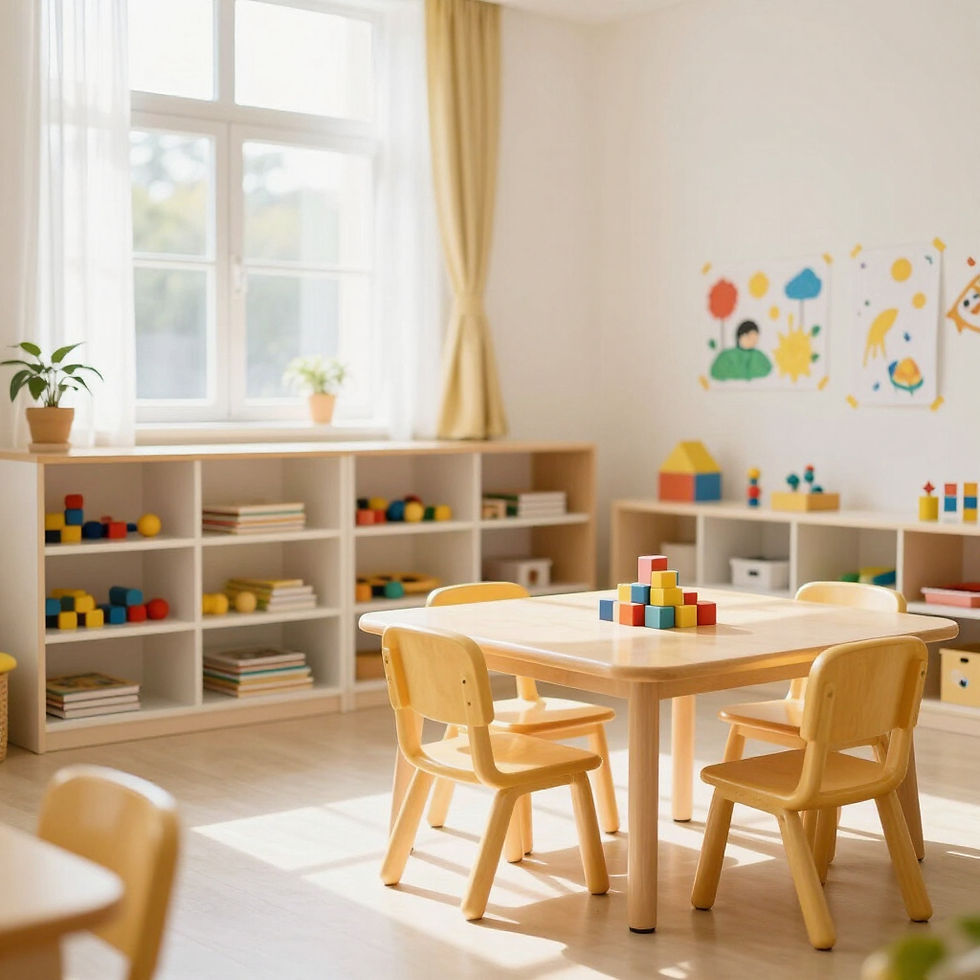
We are proud to offer state-funded child development programs designed to support the growth and learning of every child. Through the California State Preschool Program (CSPP) and General Child Care and Development (CCTR), we provide high-quality early education in a nurturing and professional environment.
Note: Enrollment is based on state-defined eligibility
and family need requirements.
California State Preschool Program (CSPP)
Our CSPP program is designed for preschool-age children who are preparing for the next stage of school. Children participate in age-appropriate learning experiences that support language, early literacy, math readiness, social-emotional development, creativity, and independence.
Through daily routines, classroom activities, group learning, and play-based exploration, children build the foundational skills they need for a successful transition to TK or Kindergarten.
-
Preschool-Age Children, typically 3-4 years old
-
School Readiness, Early Learning, Social-Emotional growth, and preparation for Kindergarten
-
Familis looking for a preschool program that helps children prepare for Kindergarten
-
Age-Appropriate Curriculum, Group Learning, Language Development, Early Math, Social Skills, and Independence

General Child Care & Development (CCTR)
Our CCTR program supports younger children through full-day care in a safe, warm, and developmentally appropriate environment. This program focuses on early growth, responsive caregiving, social-emotional development, language exposure, motor skills, and healthy daily routines.
CCTR is especially helpful for families who need consistent child care while also wanting their child to grow in a structured, nurturing early learning environment.
-
Younger Children, 2~3 years old for our school
-
Full-day Child Care, Daily Routines, Nurturing Care, Early Development, and Family Support
-
Families needing Full - Day Early Care and Development Support for Younger Children
-
Responsive Caregiving, Early Language, Sensory Exploration, Motor Development, Social-Emotional Bonding, and Daily Dare Routines

The Child and Adult Care Food Program (CACFP)
At Olive Tree Learning Academy, we believe healthy eating is an important part of a child’s growth, development, and learning. We provide nutritious, well-balanced meals and snacks designed to support growing bodies and minds. Our menus include a variety of whole grains, protein-rich foods, fresh fruits and vegetables, and age-appropriate milk, while limiting foods high in added sugar and other less nutritious choices. Our meal program follows applicable USDA Child and Adult Care Food Program (CACFP) and California Department of Social Services (CDSS) nutrition guidelines.
But at Olive Tree, mealtime is about more than what is served on the plate. Mealtime is also a learning experience.
Through family-style dining, children are encouraged, with teacher support, to participate in age-appropriate mealtime routines such as setting the table, serving themselves, making choices, practicing table manners, and sharing conversations with teachers and friends. These everyday experiences help children develop independence, confidence, social skills, language, and healthy eating habits.
We also encourage children to explore a variety of foods, flavors, colors, and textures in a positive and supportive environment. Children are never defined by whether they immediately like a new food; instead, our teachers model healthy eating habits and provide opportunities for children to become comfortable trying new foods at their own pace.
At Olive Tree, learning continues throughout the day—including at the table. By working together with families, we hope to help children build a positive relationship with food and healthy habits that can last a lifetime.
